Outdoor areas can become an important extension of the home, providing space for relaxation, entertaining, dining, and everyday activities. However, an outdoor area that lacks a clear purpose may not receive as much use as it could. Thoughtful planning can transform an ordinary section of a property into a comfortable and functional environment that complements the way a household lives.
A well-planned outdoor entertaining area can provide a dedicated place for meals, social gatherings, quiet mornings, or evenings spent outside. It can also create a stronger connection between indoor and outdoor spaces, making the property feel more spacious and versatile.
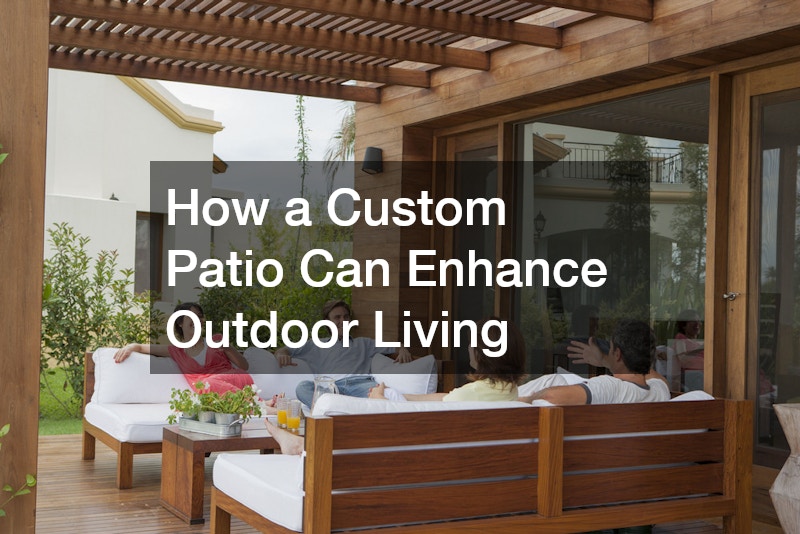
A custom patio can be designed around the property’s layout and the household’s specific needs. From selecting an appropriate location to considering furniture, shade, lighting, and access, each element can contribute to a more enjoyable outdoor experience.
Creating a Dedicated Outdoor Living Area
One of the main advantages of adding a patio is the opportunity to establish a defined outdoor living area. Instead of relying on a patch of lawn or an uncovered section of the yard, homeowners can create a space specifically intended for spending time outdoors.
The size and layout of the area can be planned around how it will be used. A household that enjoys outdoor meals may prioritise space for a dining table and chairs, while another may prefer comfortable seating for conversations and relaxation.
Creating distinct zones can also make an outdoor area more practical. Seating, dining, cooking, and recreational spaces can be arranged so that each serves a clear purpose without making the overall area feel crowded.
Providing a Comfortable Place to Relax
Outdoor living is not only about entertaining. A patio can also provide a peaceful place for everyday relaxation.
Comfortable seating can turn an unused area into a destination for reading, enjoying a morning coffee, or unwinding at the end of the day. The addition of cushions, outdoor rugs, tables, and other furnishings can help create a welcoming atmosphere.
Shade is another important consideration, particularly during warmer months. Depending on the property’s layout, homeowners may consider options such as covered sections, umbrellas, pergolas, or other forms of overhead protection. These features can make the space more comfortable and increase the amount of time it can be enjoyed.
Extending the Use of Outdoor Space
An outdoor area can be useful throughout different parts of the day when it has been planned with changing conditions in mind. Morning sunlight, afternoon heat, evening temperatures, and seasonal weather can all affect how comfortable the space feels.
Positioning furniture thoughtfully can help homeowners make better use of available sunlight and shade. Lighting can also extend the usefulness of the area after sunset. Wall-mounted fixtures, overhead lighting, pathway lights, or other suitable options can provide illumination while contributing to the overall atmosphere.
Homeowners should also consider drainage and water management. Proper planning can help prevent standing water and reduce the likelihood that rainfall will interfere with regular use of the space.
Connecting Indoor and Outdoor Areas
A patio can help create a natural transition between the home and the yard. When the design complements the existing architecture, the outdoor area can feel like an extension of the home’s living space rather than a separate feature.
Door placement, flooring materials, colours, and furniture can all influence this connection. For example, coordinating certain finishes between indoor and outdoor areas can create visual continuity.
The transition should also be practical. A level or appropriately designed pathway can make movement between spaces easier, while sufficient clearance around doors can help prevent congestion.
Planning for Changing Needs
Household needs can change, so flexibility is valuable when designing an outdoor living area. A space used primarily for family meals today might later become an area for entertaining, relaxing, or accommodating new hobbies.
Flexible furniture arrangements can make it easier to adapt the area for different activities. Additional space around seating and dining areas can also provide room for temporary changes when larger gatherings take place.
Homeowners should consider both current and future uses during the planning stage. A versatile outdoor area can provide greater value when it continues to meet household needs as circumstances change.
A thoughtfully designed outdoor living area can make a property more functional, comfortable, and enjoyable. It can provide a dedicated space for entertaining, create a peaceful setting for relaxation, and strengthen the connection between indoor and outdoor areas.
A custom patio gives homeowners an opportunity to plan these features around the property’s layout and their preferred way of using the space. By considering access, shade, lighting, landscaping, materials, and future needs, it is possible to create an outdoor area that feels purposeful rather than simply added to the yard.
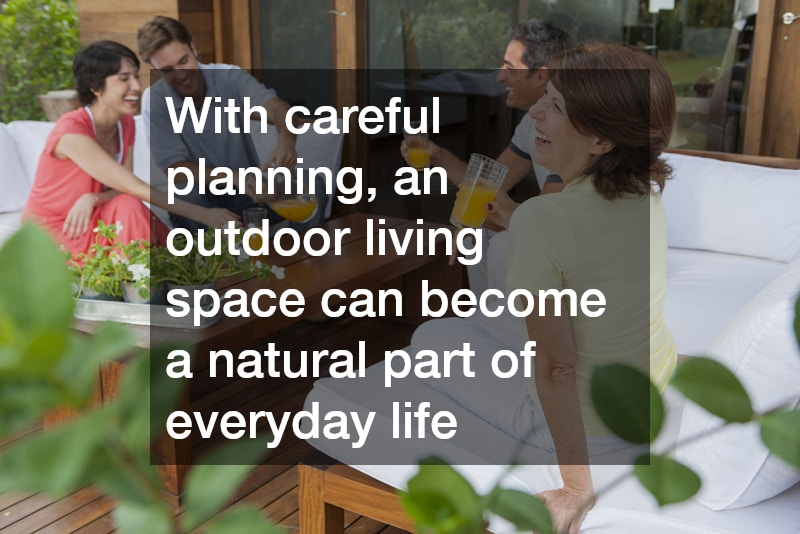
With careful planning, an outdoor living space can become a natural part of everyday life. Whether it is used for family dinners, weekend gatherings, quiet mornings, or evenings outdoors, a well-designed patio can provide lasting value and make better use of the space surrounding the home.